
How to grow tomatoes in a raised bed: when to plant, spacing and care
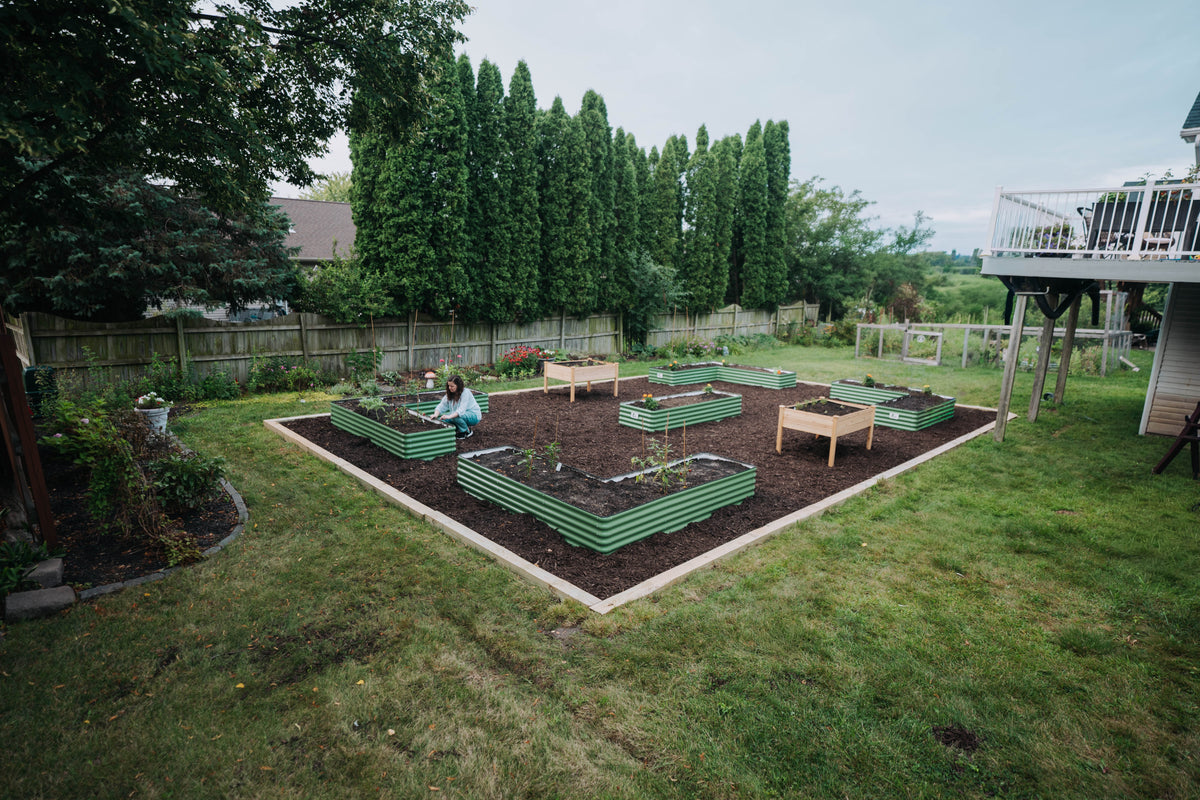
To grow tomatoes in a raised bed, plant them once the danger of frost has passed and the soil is warm: from late February in the low desert and South Texas to June in zones 3 and 4. In Central Florida there are two seasons, one in August and September and one from January to March, and South Florida plants straight through from August to February. The dates for 18 regions below, and the spacing for each bed, come from the BE plant library behind BE Garden Match. One vining or bush tomato needs four squares of a bed, and a BE Inline holds four.
At a glance
Sun
8 hours or more a day
Spacing
1 vining or bush plant per 4 squares
Start seeds indoors
6 weeks before planting out
First harvest
65 to 90 days for bush and vining types
When to plant tomatoes
Set plants out soon after your frost-free date, when the soil has warmed. Plants set out too early can stop growing for a time, so be ready to cover early plants on cold nights (University of Illinois Extension). Seeds go in indoors about six weeks before the planting date. The University of Georgia gives four to seven weeks (UGA Extension).
| Region | Zones | Start seeds indoors | Set plants in the bed | First fall frost |
|---|---|---|---|---|
| East, Midwest and Plains | 3, 4 | late Apr to early May | Jun | Sep 25 |
| East, Midwest and Plains | 5 | Apr | late May to early Jun | Oct 8 |
| East, Midwest and Plains | 6 | Apr | late May to early Jun | Oct 20 |
| East, Midwest and South | 7 | late Mar to late Apr | early May to early Jun, again early Jul | Nov 3 |
| The South, Virginia's coast to north Texas | 8a | early Mar to early Apr | late Apr to late May, again late Jun to early Jul | Nov 12 |
| The South, coastal Carolinas to central Texas | 8b | late Feb to early Mar, and early May to early Jun | Apr, again late Jun to late Jul | Nov 28 |
| Gulf Coast and North Florida | 9a | early Feb to early Mar, and late May to late Jun | late Mar to late Apr, again early Jul to early Aug | Dec 8 |
| Central Florida | 9b | late Jun to late Jul, and late Nov to late Dec | early Aug to late Sep, again early Jan to late Mar | Rare |
| South Florida and the Keys | 10, 11 | late Jun to late Jul | early Aug to late Feb | Rare |
| South Texas, Lower Rio Grande Valley | 9b, 10 | Jan, Jun and late Aug | late Feb to early Mar, late Jul to early Aug, late Sep to early Oct | Rare |
| Mountain West, high elevations | 3 to 5 | late Apr to early May | Jun | Sep 12 |
| Mountain West valleys and high desert: Denver, Salt Lake City, Boise, Albuquerque, Reno | 6, 7 | Apr | late May to early Jun | Oct 12 |
| Mid desert: Tucson, Las Vegas, St. George | 8, 9 | early Feb to early Mar, and Jun | late Mar to late Apr, again late Jul to early Aug | Nov 28 |
| Low desert: Phoenix, Yuma, Palm Springs | 9b, 10 | early Jan to early Feb, and Jun | late Feb to late Mar, again late Jul to early Aug | Dec 12 |
| Pacific Northwest, west of the Cascades | 8, 9 | late Mar to late Apr | early May to early Jun | Nov 12 |
| California inland valleys | 9 | late Feb to late Mar | early Apr to late May | Dec 5 |
| California north coast and Bay Area | 9b, 10 | late Mar to early Apr | May | Dec 15 |
| California south coast: Los Angeles, San Diego, Santa Barbara | 10, 11 | late Feb to late Mar | early Apr to early Jul | Rare |
Early means the 1st to the 15th of the month, and late means the 16th on. Where a row lists a second window, it is a second crop: for fall in most regions, and for late winter into spring in Central Florida. A region covers a lot of ground, so go by the weather where you are. Month by month lists for each region are in the planting schedules, starting with the zones 10 and 11 planting schedule for South Florida.
In zones 3 and 4, a June planting leaves about 85 to 115 days before the first fall frost, and about 75 to 105 days at high elevations. Pick early varieties there, the ones listed at under 70 days to harvest.
How far apart to plant tomatoes
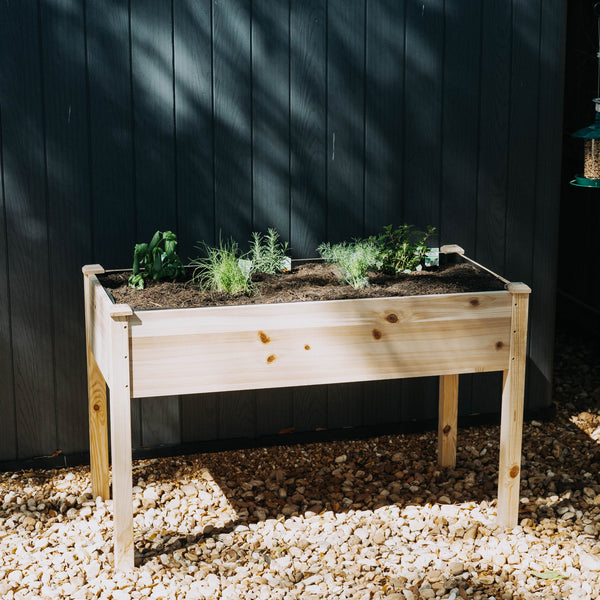
A vining or bush tomato takes a block of four squares. In a BE bed that puts one row of plants down the middle, each 15 inches from both walls and about 25 inches from the next. Dwarf and patio types fit one to a square. Square foot gardening spacing explains how the squares work.
| Type | Room per plant | Inline (16 squares) | Loam (26 squares) | Tiller (26 squares) | Union (28 squares) |
|---|---|---|---|---|---|
| Tomato, vining | 1 plant per 4 squares | 4 | 6 | 6 | 6 |
| Tomato, bush | 1 plant per 4 squares | 4 | 6 | 6 | 6 |
| Tomato, dwarf and patio | 1 per square | 16 | 26 | 26 | 28 |
Counts are the most of that one plant a bed holds, from the BE Garden Match planner module 1.7.0.
For comparison, Illinois Extension spaces staked plants 15 to 24 inches apart, trellised plants 24 to 36 inches and dwarf plants 12 inches. Large vining types may need 4 feet between plants. The household amount BE Garden Match starts from is three vining or bush plants for one bed of 26 to 28 squares.
How deep to plant tomatoes
Plant them deep. Tomatoes grow roots all along the stem, so a deeper stem gives a stronger root system (UGA Extension). Set the plant in up to its first true leaves and firm the soil around it.
Give them a spot with at least eight hours of sun a day. A soil pH of 6.2 to 6.8 suits them (UGA Extension). A BE bed is 18 inches deep, and on open ground a tomato's long roots grow on into the soil below. How deep a raised bed should be has the depth for other crops.
How to stake tomatoes in a raised bed
Put the stake or cage in at planting. For a vining type, BE Garden Match plans a 6 foot stake or a cage 18 to 24 inches across, which fits inside a BE bed's 30 inch width. Bush types do well in a short wire cage. Dwarf and patio types need no support, or one short stake for taller ones.
Drive a stake about a foot deep, 4 to 6 inches from the plant, and tie the stem to it about every 10 inches as it grows (UGA Extension).
How often to water tomatoes
Tomatoes need about 1 to 2 inches of water a week, depending on the soil. Use a drip line or soaker hose, and spread 2 to 3 inches of mulch around the plants (UGA Extension).
Keep the water even. Mulch and steady watering help prevent blossom-end rot, and even soil moisture as the fruit grows cuts down on cracking (Illinois Extension).
Go easy on nitrogen. Too much gives big, leafy plants with few flowers or fruit (UGA Extension).
Why are my tomato plants not making fruit?
Often it is the weather. Flowers drop without setting fruit when nights fall below 55°F, or when days pass 95°F with hot, drying winds (Illinois Extension). Too much nitrogen can also give plants with few flowers or fruit (UGA Extension). The table covers the other problems to watch for.
| Problem | What you see | What to do |
|---|---|---|
| Blossom-end rot | Rot at the blossom end of the fruit | Water evenly and mulch |
| Cracking | Cracks in the fruit as it ripens | Keep soil moisture even and plant resistant varieties. Severe pruning makes it worse. |
| Early blight | Dead brown spots that start on the lower leaves and spread up | Choose tolerant varieties, such as Roma and Supersonic |
| Septoria leaf spot | Many small black spots on the leaves | Watch closely in wet weather, when it can get severe |
| Hornworms | Green caterpillars 2 to 3 inches long with white stripes | Leave any that carry white cocoons, which hold parasitic insects |
Source for the table: Illinois Extension.
Tomato companion plants
Basil grows well right beside tomatoes because it wants the same heat, sun and steady water. BE Garden Match sets marigolds beside them. Lettuce and spinach take some shade, so they fit in the shadow of tall tomato plants.
What not to plant with tomatoes: potatoes, which share late blight and other diseases, so they go in a different bed. Keep sunflowers apart as well, since they grow tall and thirsty and would shade the tomatoes.
Tomatoes, peppers, eggplant and potatoes are in the same family. Move that group to a different bed for the next three to four years (Iowa State University Extension). BE Garden Match plans that rotation for you.
Plan your tomatoes for the season
BE Garden Match lays out your beds square by square, sets marigolds beside your tomatoes and gives you planting dates for your region. It also totals the soil for each bed and can email your plan with planting reminders.
When to pick tomatoes
Vining types are ready 70 to 90 days after planting, bush types 65 to 90 and dwarf types 55 to 75. Fruit softens faster when it is 90°F or hotter (Illinois Extension).
The day before a killing frost, pick all the mature green fruit. Wrap each one in paper and store them at 60 to 65°F to ripen (Illinois Extension).

To place tomatoes with the rest of your garden, try BE Garden Match, or start from raised bed garden layout and how much soil a raised bed needs. Potatoes catch the same blight as tomatoes, so the guide on how to grow potatoes helps when you plan which beds each one goes in. The BE Inline is our 8 foot bed.
Seasonal tips for your zone
Get a short email when it is time to start seeds, plant and harvest where you live, with what works best in your zone.
Thanks, you are on the list for seasonal tips for your zone.
Unsubscribe anytime.
You may also like
Sources
- University of Illinois Extension, Tomato
- University of Georgia Extension, B 1271, Georgia Homegrown Tomatoes
- Iowa State University Extension and Outreach, Crop rotation in the vegetable garden
- BE plant library, version 2.10, and the BE Garden Match planner, version 1.7.0: planting dates, spacing and bed counts